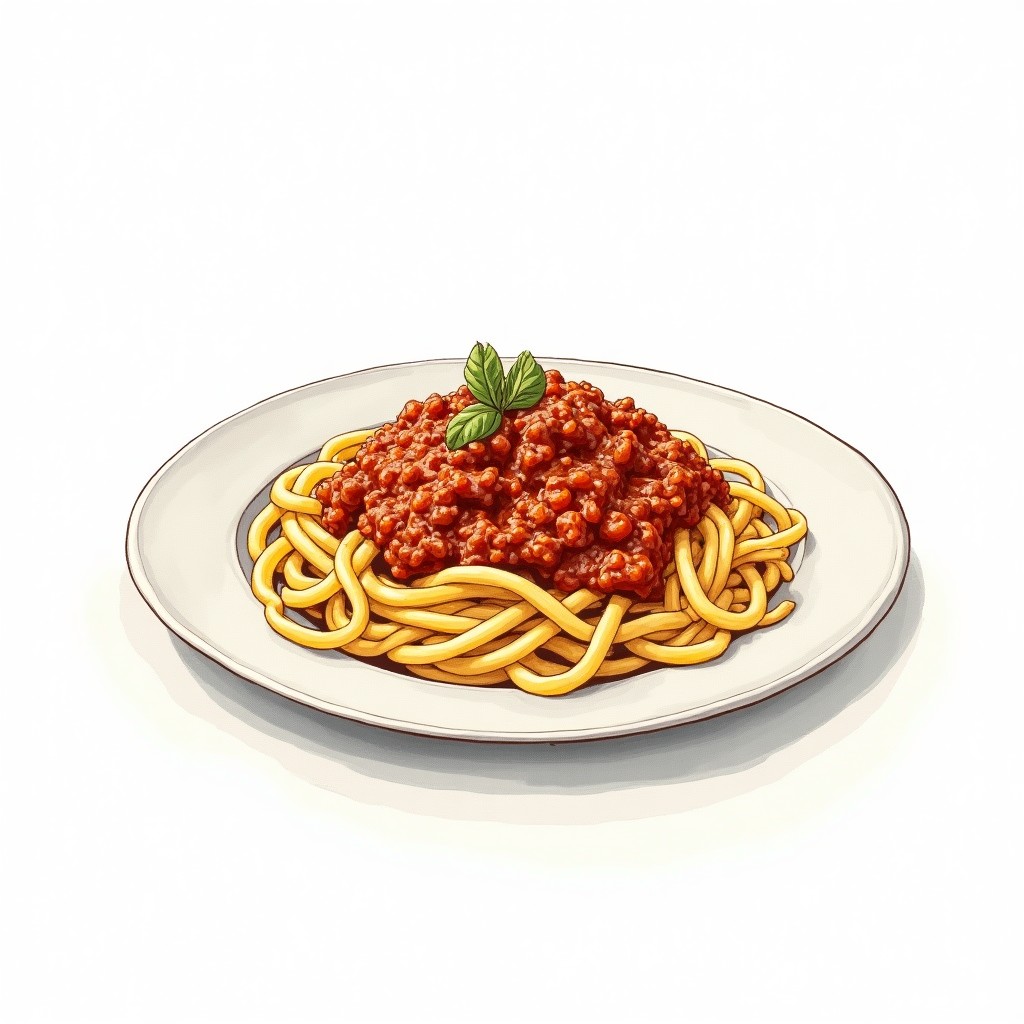
Tagliatelle alla Bolognese
Classic Tagliatelle Bolognese — The Three-Hour Sauce That Made Emilia-Romagna Famous
This isn't quick weeknight cooking — it's the real Bolognese that transforms humble ground meats into liquid velvet through patience and proper technique. The milk addition at the end creates an impossibly creamy finish that coats fresh pasta like silk.
Three hours sounds excessive until you taste what happens when ground meat surrenders completely to low heat and time. Real Bolognese isn't the quick meat sauce most of us grew up with — it's a slow transformation that turns ordinary ingredients into something that coats pasta like liquid silk.
In Bologna, they'll tell you there's only one proper way to make ragù, registered with the city's Chamber of Commerce in 1982. But home cooks have been perfecting this technique for centuries before bureaucrats got involved. The secret isn't in exotic ingredients or special equipment — it's in understanding that milk added at the end creates an impossibly creamy finish, and that proper browning followed by gentle simmering concentrates flavors in ways that high heat simply can't replicate.
This is Sunday cooking at its finest. The kind of dish that fills your kitchen with rich aromas while you catch up on reading or tackle other projects. By the time you twirl that first forkful of fresh tagliatelle coated in glossy, brick-red sauce, you'll understand why Emilia-Romagna built its culinary reputation on patience.
Nutrition
Ingredients
- 1 lbfresh tagliatelle pasta
Sauce
- 8 ozground beef, 80/20
- 8 ozground pork
- 1 mediummedium onion, finely diced
- 1 mediummedium carrot, finely diced
- 1 stalkcelery stalk, finely diced
- 3 clovegarlic cloves, minced
- ½ cupdry white wine
- 28 ozcrushed tomatoes
- 1 cupwhole milk
- 2 tbspolive oil
- 2 tbspbutter
- 1 tspsalt
- ½ tspblack pepper
Serving
- ½ cupParmigiano-Reggiano, grated
Instructions
- Combine the olive oil and butter in a heavy-bottomed pot over medium heat. Let the butter foam and settle — this fat blend creates the foundation for everything that follows.
- Drop in the onion, carrot, and celery, stirring occasionally until they soften and turn translucent. This soffritto base needs time to develop sweetness, so resist cranking up the heat.⏱ 5 min
- Stir in the minced garlic and let it bloom until fragrant but not colored. Burnt garlic turns bitter, so keep it moving in the pan.⏱ 1 min
- Crumble in both the beef and pork, breaking apart any large chunks with your spoon. Cook until the meat loses its raw color and develops some caramelized bits — this browning adds crucial depth.⏱ 10 min
- Pour in the white wine and scrape up any browned bits from the bottom. Let it bubble away until you can barely smell the alcohol — the wine should reduce by about half.⏱ 5 min
- Add the crushed tomatoes, salt, and pepper, then bring everything to a gentle simmer. You want just a few lazy bubbles breaking the surface.
- Lower the heat until you see only occasional bubbles, then partially cover the pot. Stir every 20-30 minutes to prevent sticking. The sauce will slowly concentrate and darken as it cooks.⏱ 2 hrs
- Stir in the milk and leave the pot uncovered now. The dairy will thicken the sauce and give it that signature creamy texture — this final simmer pulls everything together.⏱ 30 min
- Meanwhile, bring a large pot of well-salted water to a vigorous boil and cook the tagliatelle just until it has a slight bite. Fresh pasta cooks fast, so stay close.⏱ 3 min
- Before draining, scoop out a cup of the starchy pasta water — this liquid gold helps bind sauce to noodles. Drain the pasta thoroughly.
- Combine the drained pasta with the Bolognese, tossing gently and adding splashes of pasta water until each ribbon is glossy and well-coated. The sauce should cling without being gloppy.
- Plate immediately in warmed bowls and pass the grated Parmigiano-Reggiano at the table. This sauce deserves to be eaten while it's still steaming.
Tips & Tricks
- Use a heavy-bottomed pot to prevent the sauce from scorching during the long simmer — thin pans create hot spots that can ruin three hours of work.
- Don't skip the milk addition at the end; it's what transforms a good meat sauce into true Bolognese with that signature creamy texture.
- Fresh tagliatelle is traditional, but dried pappardelle or rigatoni work beautifully if you can't find fresh pasta — just avoid thin noodles like spaghetti.
- The sauce can be made up to 3 days ahead and actually improves in flavor; reheat gently and thin with pasta water if needed.
- Save time by making a double batch — Bolognese freezes perfectly for up to 6 months.
Frequently Asked Questions
Can I use all beef instead of the beef and pork mix?
You can, but you'll lose some richness and complexity. The pork adds fat and sweetness that balances the beef's intensity. If you must use only beef, choose 80/20 ground chuck for the best flavor and texture.
What if I don't have white wine?
Red wine works fine and will give the sauce a deeper color and slightly more robust flavor. Avoid anything too tannic or sweet — a basic Chianti or Sangiovese is perfect.
Why does the recipe call for milk instead of cream?
Whole milk has the right amount of fat to create creaminess without making the sauce too rich or heavy. Heavy cream can overwhelm the meat flavors and create an overly thick texture.
Can I make this in a slow cooker?
The stovetop method gives better control over browning and reduction, but you can adapt it. Brown the meat and vegetables on the stovetop first, then transfer to a slow cooker on low for 4-5 hours, adding the milk in the final 30 minutes.