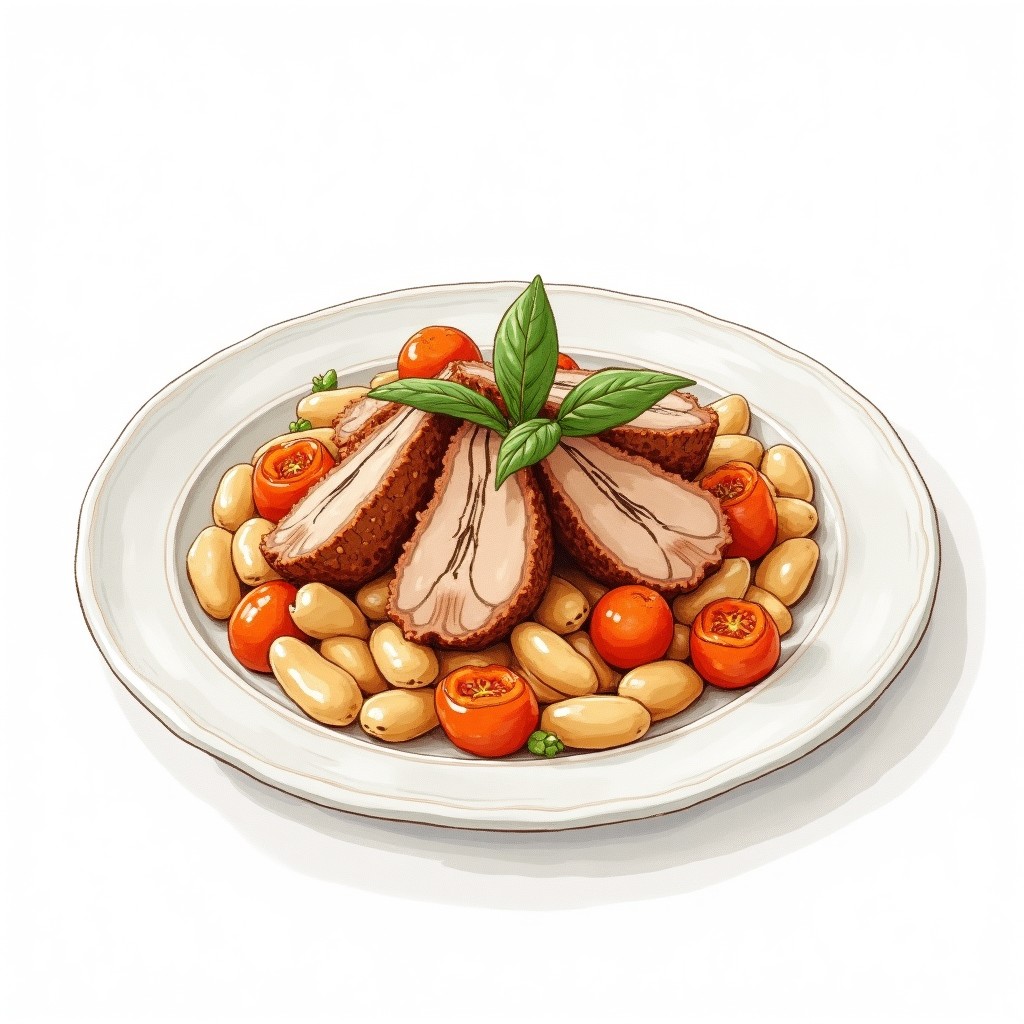
Classic French Cassoulet
Traditional French Cassoulet — The Legendary Bean Dish Worth Every Hour
This southwestern French masterpiece transforms humble beans into something extraordinary through patient layering and slow cooking. The duck confit melts into tender shreds while the beans absorb all those rich, porky flavors — it's the kind of dish that makes your kitchen smell like a French farmhouse for hours.
Walk into any home in France's Languedoc region on a Sunday, and you'll likely smell cassoulet bubbling away in kitchens across the countryside. This isn't just dinner — it's a ritual that connects families to centuries of French culinary tradition. The dish originated as peasant food, a way to stretch expensive meat with beans and transform leftovers into something magnificent through the alchemy of slow cooking.
What makes authentic cassoulet special isn't any single ingredient but the patient layering of flavors and textures. Duck confit brings richness, sausage adds spice, bacon provides smokiness, and the beans become creamy vessels that absorb every drop of goodness. The magic happens in that final hour of oven time, when the breadcrumb crust turns golden and the liquid reduces to just the right consistency — thick enough to coat a spoon but loose enough to be saucy.
Yes, this recipe demands time and attention. But cassoulet rewards patience like few other dishes can. The result is something greater than the sum of its parts: a dish that fills your home with warmth and your table with the kind of meal people remember for years. It's the sort of cooking that reminds you why some traditions survive unchanged — because they're already perfect.
Nutrition
Ingredients
- 2 cupdried white beans (cannellini or Great Northern), soaked overnight
- 4 cupchicken stock, preferably homemade
- 1 largelarge yellow onion, diced
- 4 clovegarlic cloves, minced
- 2 mediummedium carrots, diced
- 2 stalkcelery stalks, diced
- 1 candiced tomatoes
- 2 bay leavesbay leaves
- 2 sprigfresh thyme sprigs
- 2 cupfresh breadcrumbs, coarse texture preferred
- 3 tbspextra virgin olive oil
- salt and freshly cracked black pepper to taste
Meat
- 4 legsduck confit legs
- 1 lbToulouse sausage or garlic sausage, sliced into thick rounds
- 8 ozthick-cut bacon, diced into lardons
Instructions
- Heat your oven to 325°F and gather your courage — this is a commitment dish, but the reward is worth it.
- Drain your soaked beans and combine them with the chicken stock, bay leaves, and thyme in a large pot. This gentle poaching liquid will become the backbone of your cassoulet's flavor.
- Bring the beans to a rolling boil, then reduce to a gentle simmer and cover the pot halfway — you want some evaporation. Let them bubble lazily until just tender but still holding their shape, about 45 minutes. They'll finish cooking in the oven later.⏱ 45 min
- While the beans cook, start the meat magic. Cook the diced bacon in your Dutch oven over medium heat, stirring occasionally until the pieces are deeply golden and crispy. The rendered fat is liquid gold for this dish — scoop out the bacon but leave every drop of fat behind.⏱ 8 min
- Toss the onion, carrots, and celery into that beautiful bacon fat and cook over medium heat until everything softens and the onions turn translucent. This aromatic base needs time to develop, so resist cranking up the heat.⏱ 8 min
- Stir in the minced garlic and let it bloom in the hot vegetables just until fragrant — any longer and it'll turn bitter on you.⏱ 1 min
- Add the diced tomatoes and let them break down and concentrate their flavor, stirring occasionally. The mixture should look jammy and smell incredible when it's ready.⏱ 5 min
- Remove the skin from your duck confit legs and pull the meat apart into generous, rustic chunks. Don't shred it too finely — you want substantial pieces that will hold up through the long braise.
- Now comes the architecture: spread half your cooked beans in the bottom of the Dutch oven, then layer on the vegetable mixture, duck meat, sausage slices, and crispy bacon. Think rustic lasagna — you want distinct layers that will meld together during cooking.
- Top with the remaining beans, then ladle the bean cooking liquid over everything until it just barely covers the top layer. The liquid level is crucial — too much and you'll have soup, too little and the top will dry out.
- Toss the breadcrumbs with olive oil until evenly coated, then scatter them over the surface in an even layer. This will become that coveted golden crust that cassoulet is famous for.
- Cover tightly and slide into the oven for 2 hours, then remove the lid and continue baking until the top is deeply golden and crusty. The edges should be bubbling enthusiastically, and the aroma should be making you slightly dizzy with anticipation.⏱ 2 hrs 30 min
- Let the cassoulet rest for 10 minutes before serving — this allows the bubbling to settle and the flavors to compose themselves. Trust me, the wait makes that first spoonful even better.⏱ 10 min
Tips & Tricks
- Don't skip soaking the beans overnight — it ensures even cooking and prevents split beans that turn your cassoulet mushy.
- Save any leftover bean cooking liquid in the fridge; it's perfect for thinning the cassoulet if it gets too thick during reheating.
- If you can't find duck confit, substitute with chicken thighs braised in duck fat until fall-apart tender.
- The breadcrumb crust should break and reform three times during cooking — if it stays intact the whole time, your liquid level is too low.
- Make this a day ahead if possible; cassoulet actually improves after a night in the refrigerator as all the flavors marry together.
Frequently Asked Questions
Can I use canned beans instead of dried?
You can, but the texture won't be quite the same. Use three 15-oz cans of cannellini beans, drain and rinse them, then skip the initial bean cooking step. Add chicken stock directly to the Dutch oven when assembling the layers.
What if I can't find Toulouse sausage?
Any good-quality garlic sausage works well — try andouille, kielbasa, or even Italian sausage in a pinch. The key is using something with robust flavor that won't get lost in the long cooking process.
How do I know when the cassoulet is done?
The top should be deeply golden and crusty, the edges should be bubbling, and a spoon inserted into the center should meet just slight resistance from the beans. The liquid should be mostly absorbed but still saucy.
Can this be made in a slow cooker?
Not really — cassoulet needs the dry heat of an oven to develop that signature crust and concentrate the flavors properly. A slow cooker will give you something more like bean stew than true cassoulet.
How long will leftovers keep?
Cassoulet keeps beautifully in the refrigerator for up to 4 days and actually improves as it sits. Reheat gently in a low oven, adding a splash of stock if it seems too thick.