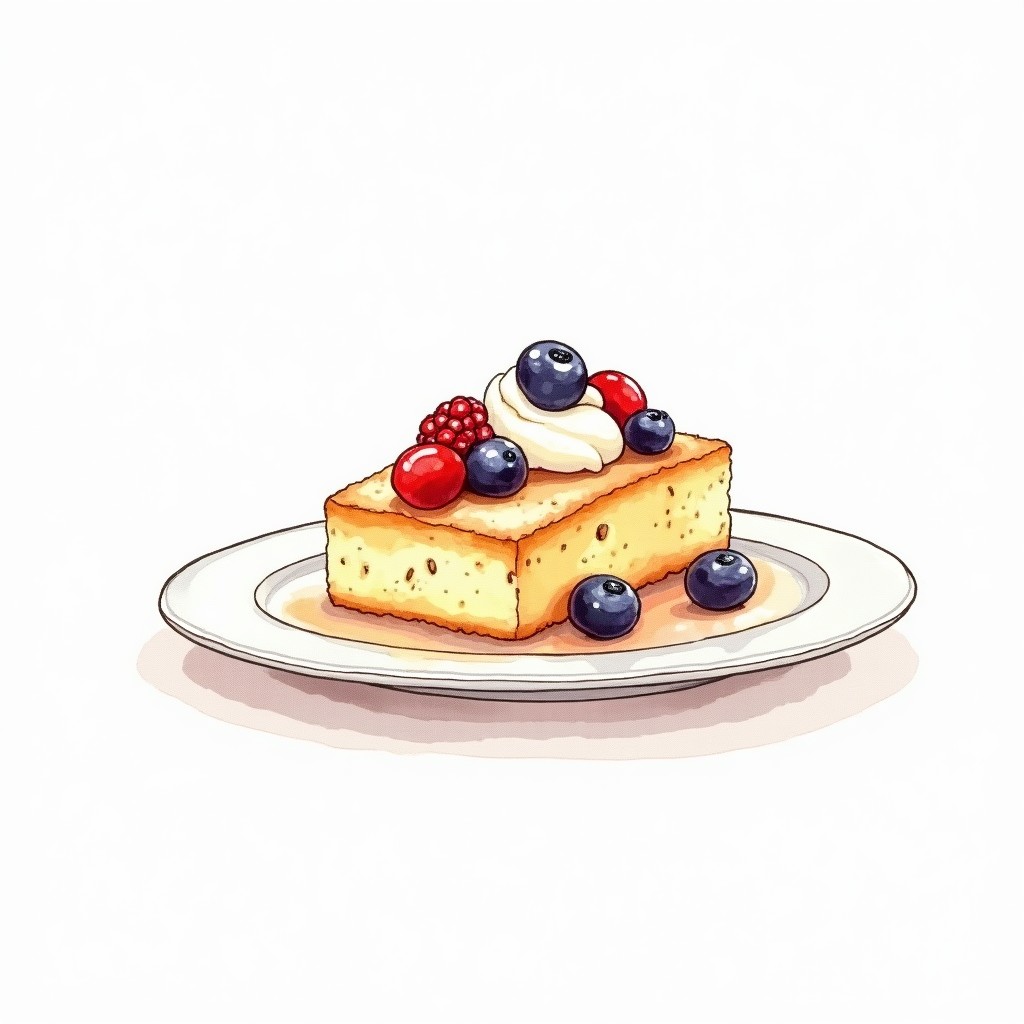
Classic English Trifle
Traditional English Trifle — Layers of Pure Comfort
Built layer by careful layer, this showstopper dessert rewards patience with spoonfuls of silky custard, wine-kissed cake, and jammy berries crowned with clouds of cream. Each bite delivers the perfect balance of textures and flavors that made trifle a British institution.
The first time you glimpse a proper trifle through the glass of its serving bowl, you understand why Victorians fell hard for this dessert. Those distinct bands of color — pale custard, ruby berries, snowy cream — create visual drama that few desserts can match, each layer revealing itself like a geological cross-section of pure indulgence.
But trifle's real genius isn't visual; it's architectural. The sherry-soaked cake provides structure while absorbing flavors from every layer above it. The custard acts as both barrier and bridge, preventing soggy cake while carrying vanilla notes upward. Fresh berries add brightness that cuts through all that richness, while whipped cream crowns everything with lightness. When assembled correctly, each spoonful delivers the perfect ratio of textures and tastes.
This isn't a dessert you throw together on a whim — the custard alone requires patience and attention. But that methodical layering process is exactly what makes trifle so rewarding. Every component has time to settle into its role, flavors melding and intensifying during that crucial chill time. By the time you serve it, you've created something that tastes far more complex than its simple ingredients suggest.
Modern shortcuts abound, but nothing beats custard made from scratch and cream whipped by hand. The effort shows in every silky, wine-kissed bite — this is comfort food that happens to look magnificent.
Nutrition
Ingredients
Cake Layer
- 1 store-bought pound cakestore-bought pound cake, sliced into 1/2-inch thick pieces
- 3 tbspdry sherry or sweet fruit juice (orange or apple work well)
Custard
- 2 cupwhole milk
- 4 largelarge egg yolks, at room temperature
- ⅓ cupgranulated sugar
- 3 tbspcornstarch
- 1 tsppure vanilla extract
Fruit Layer
- 2 cupmixed fresh berries (strawberries, raspberries, blueberries)
- 2 tbspgranulated sugar
Topping
- 1½ cupheavy cream, cold
- 2 tbsppowdered sugar, sifted
- sliced almonds, lightly toasted(optional)
Instructions
- Pour the milk into a medium saucepan and heat over medium heat until you see steam rising and tiny bubbles forming around the edges — don't let it boil. This gentle heating prevents the custard from curdling later.⏱ 5 min
- While the milk heats, whisk the egg yolks, sugar, and cornstarch in a bowl until the mixture is completely smooth and pale yellow. Make sure no lumps of cornstarch remain — they'll create a gritty custard.
- Pour about half the hot milk into the egg mixture in a thin, steady stream while whisking constantly. This tempering process prevents the eggs from scrambling. Add the remaining milk gradually, still whisking.
- Pour the mixture back into the saucepan and cook over medium-low heat, stirring constantly with a whisk or wooden spoon, until it thickens enough to coat the back of a spoon. The custard should hold ribbon-like trails when you lift the spoon.⏱ 8 min
- Remove from heat immediately and stir in the vanilla extract. Press plastic wrap directly onto the surface of the custard to prevent a skin from forming, then let it cool completely at room temperature.
- Toss the berries with sugar in a bowl and let them macerate — the sugar will draw out their natural juices to create a light syrup that adds sweetness and prevents the berries from bleeding into other layers.⏱ 15 min
- Beat the cold heavy cream and powdered sugar with an electric mixer until soft peaks form. Don't overwhip — you want pillowy cream that holds its shape but isn't stiff.
- Arrange half the cake slices in the bottom of a large glass trifle bowl or deep serving dish, fitting them snugly together. Drizzle evenly with half the sherry, allowing it to soak into the cake.
- Spread half the cooled custard over the cake layer, smoothing it gently to the edges. The custard should be thick enough to hold its shape but spreadable.
- Spoon half the macerated berries and their juices over the custard layer, distributing them evenly for consistent flavor throughout.
- Repeat the layering process: remaining cake slices, remaining sherry, remaining custard, then remaining berries. Press each layer gently to ensure good contact.
- Spread the whipped cream evenly over the top layer, creating decorative swirls if desired. Scatter toasted almonds over the cream for added texture and visual appeal.
- Cover and refrigerate for at least 2 hours to allow the flavors to meld and the layers to set properly. The trifle actually improves with overnight chilling, making it perfect for entertaining.⏱ 2 hrs
Tips & Tricks
- Make the custard a day ahead if possible — it needs to be completely cold before assembly, and the flavor actually improves with time.
- Use a clear glass bowl so the layers show through, but if you only have opaque bowls, the dessert tastes just as good.
- Press plastic wrap directly onto the custard surface while it cools to prevent that rubbery skin from forming on top.
- Don't skip macerating the berries — that light syrup they create prevents them from bleeding color into the custard layer.
- Individual trifles in mason jars or glasses make elegant portion-controlled servings for dinner parties.
Frequently Asked Questions
Can I make this without alcohol?
Absolutely — replace the sherry with fruit juice (berry or apple work well) or strong sweet tea. The liquid is just there to add flavor and keep the cake moist.
How far ahead can I assemble this?
Trifle actually improves when made a day ahead, giving all the flavors time to meld. Assemble everything except the whipped cream topping, then add that layer just before serving.
What if my custard gets lumpy?
Strain it through a fine-mesh sieve while it's still warm — this removes any bits of cooked egg. If it's already cooled, whisk vigorously or blend briefly with an immersion blender.
Can I use frozen berries?
Fresh berries work best for texture, but thawed frozen berries are fine if you drain off excess liquid before macerating. They'll be softer but still delicious.